
By Oluwatoyin Adegoke
Media Experts have charged journalists and civil society organizations to embrace responsible reportage and collaborative action as a way of curbing human trafficking in Nigeria.
The Experts noted that Ethical journalism, remained a powerful tool to expose traffickers, protect victims and mobilize society against the crime.
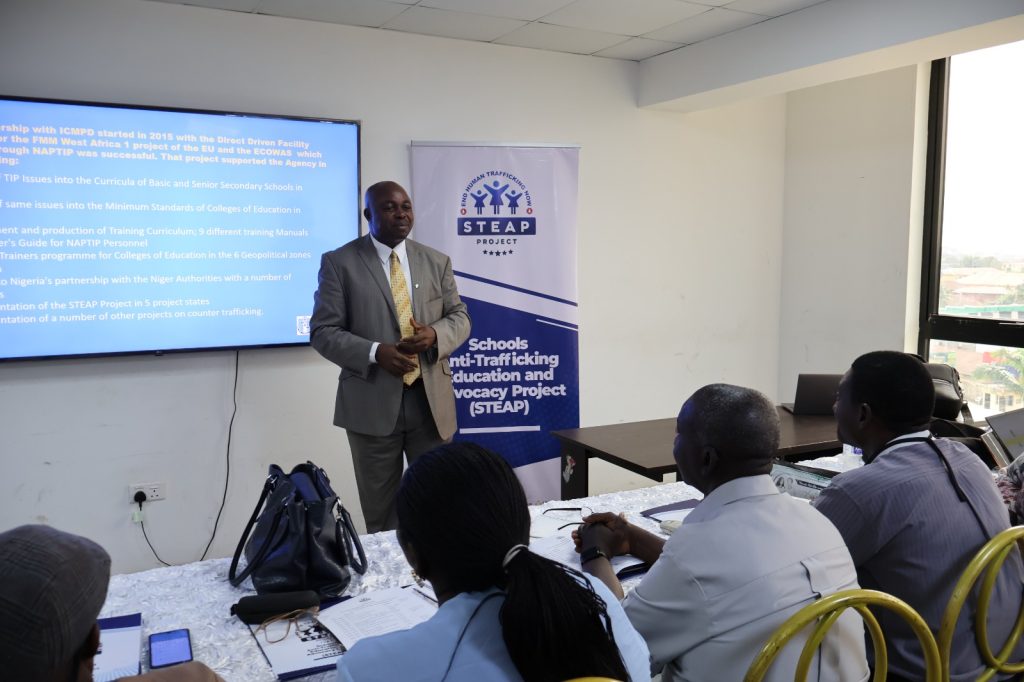
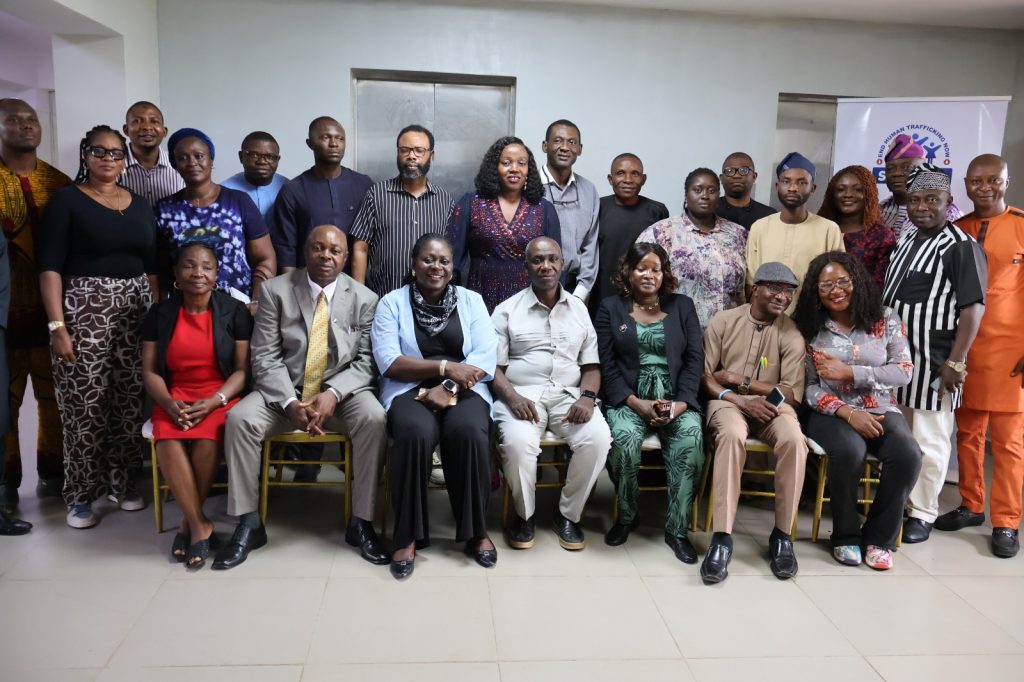
This formed part of discussion at the just concluded two-day media workshop held in Benin, Edo State, organized by the National Agency for the Prohibition of Trafficking in Persons ,NAPTIP in partnership with the International Centre for Migration Policy Development ,ICMPD
With focus on schools anti-tracffiking education and advocacy project STEAP for early counseling, participants were drawn from five states Ogun, Delta, Enugu, Benue, and Edo, 250 schools are being targeted for the campaign.
National Press Officer of NAPTIP, Abuja, Mr. Vincent Adekoye described trafficking as a form of corruption and a threat to national security, warned that careless reportage, particularly the rush to break news, could compromise rescue operations and endanger victims.
Mr Adekoye therefore urged reporters to prioritize truth, confidentiality and minimizing harm, while resisting propaganda and outside influence, stressing that journalism remains strongest defense in the fight against trafficking.
Also addressing participants, Mr. Peter Kundum, a resource person with ICMPD, urged journalists to take responsibility in their work, stressing that Journalists must be people-centered rather than driven by the rush to break news.
Mr kundum said reporters should slow down, review facts, ask questions and tell constructive stories that reflect victims’ realities instead of reinforcing stereotypes.
He urged journalists to follow NAPTIP’s guidelines by protecting confidentiality, seeking consent and focusing on traffickers, warning that sensationalism weakens credibility.
Participants, drawn from media organizations including Radio Nigeria, OGTV, NAN and NTA, as well as other reputable outlets across five states, agreed that the workshop broadened their perspective on reporting NAPTIP stories, equipping them to craft narratives that inspire change rather than merely chasing breaking news.
